Comprehending the Secret Advantages of HDPE Pipe for Water and Wastewater Management
Using HDPE pipe in water and wastewater management offers many benefits that merit consideration. Its extraordinary toughness and lengthy lifespan make it a favored choice for several tasks. Furthermore, the product's resistance to rust and chemical damages boosts its reliability in numerous settings. Nevertheless, the advantages expand past just longevity and resistance. Discovering its cost-effectiveness and environmental impact discloses even a lot more engaging reasons for its extensive adoption in modern-day framework
Exceptional Toughness and Long Life

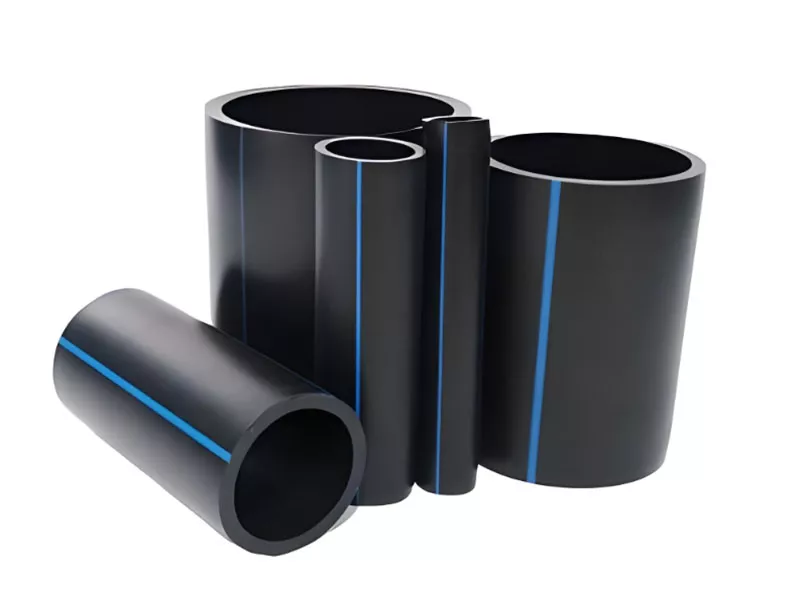
HDPE pipeline stands out for its outstanding longevity and durability, making it a preferred choice in water management systems. Constructed from high-density polyethylene, these pipelines can hold up against substantial pressure and tension, ensuring reputable efficiency with time. Their durable nature permits them to sustain extreme environmental conditions, consisting of temperature level changes and soil activities, which can cause various other products to stop working.
The life expectancy of HDPE pipelines often goes beyond half a century, supplying a cost-efficient service for communities and markets alike. Additionally, the product's lightweight properties simplify installment, minimizing labor expenses and timeframes. This toughness lessens the need for constant fixings or substitutes, further boosting its financial allure.
In water management applications, the reliability of HDPE pipes indicates fewer disruptions and enhanced service connection, making them indispensable to sustainable facilities advancement. The mix of longevity and longevity strengthens HDPE's function as a keystone in effective water administration services.
Resistance to Deterioration and Chemical Damage
While numerous products catch rust and chemical damage with time, HDPE pipelines exhibit amazing resistance, making them suitable for various water management applications. This strength stems from the molecular framework of high-density polyethylene, which is inherently non-reactive and does not corrode like metals or deteriorate from exposure to extreme chemicals. Because of this, HDPE is very efficient in settings with hostile compounds, such as wastewater systems that may include acids, bases, and natural solvents.
Furthermore, HDPE pipes can withstand environmental aspects such as dirt acidity and saline problems, better enhancing their viability for diverse applications (Texas hdpe pipe manufacturer). Their capacity to maintain structural integrity gradually lowers the risk of leaks and failings, which is important in making certain the safety and reliability of water distribution and wastewater management systems. Subsequently, the resistance to rust and chemical damage significantly adds to the overall effectiveness and long life of HDPE piping remedies
Cost-Effectiveness and Financial Benefits
When taking into consideration the financial implications of water management systems, the cost-effectiveness of HDPE pipes comes to be apparent. These pipes supply reduced installment and upkeep costs compared to traditional products like steel or concrete. Their light-weight nature streamlines transport and installation, resulting in lowered labor expenditures. Additionally, HDPE pipes display a lengthy life expectancy, usually exceeding 50 years, which converts to fewer substitutes and lasting financial savings.
In addition, the resistance of HDPE to corrosion and chemical damages reduces the demand for pricey repairs and replacements. The pipes also support efficient water circulation, reducing power expenses connected with pumping systems. By minimizing leakages and water loss, HDPE pipes add to significant economic advantages for districts and sectors alike. In general, the initial financial investment in HDPE piping can sites produce substantial financial returns over the lifespan of the water management system, making it a prudent option for sustainable framework advancement.
Ecological Sustainability and Lowered Influence
Convenience and Adaptability in Setup
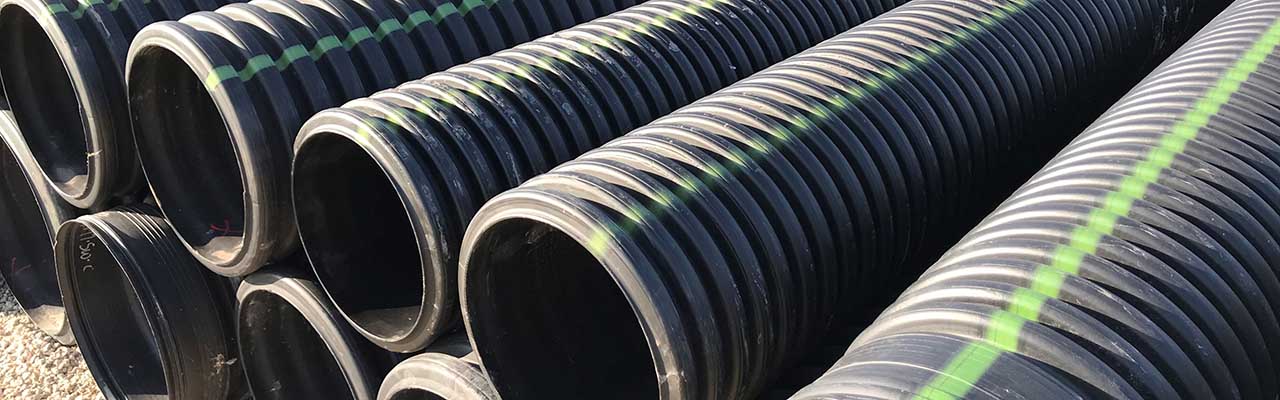
As a result of their distinct residential or commercial properties, HDPE pipes supply remarkable flexibility and adaptability in installment, making them appropriate for a wide variety of applications. Their light-weight nature enables less complicated handling and transportation, decreasing labor costs and setup time. HDPE pipes can be curved and shaped to fit different surfaces and project requirements, which is specifically valuable in challenging atmospheres.
Furthermore, their resistance to rust and chemical damages permits installment in diverse settings without the demand for specialized safety finishes. The capacity to fuse joints creates a continual, leak-free system, enhancing the general honesty and reliability of the installment. HDPE's versatility additionally suits ground motion, reducing the danger of damage in areas prone to moving dirt. Generally, these characteristics make HDPE pipelines not only functional yet his response likewise a preferred selection for water and wastewater monitoring systems.
Regularly Asked Concerns
Just How Does HDPE Pipeline Compare to PVC in Water Administration Applications?
HDPE pipe offers premium versatility, resistance to rust, and sturdiness compared to PVC. Its lighter weight assists in much easier setup, while its long life expectancy decreases replacement costs, making HDPE a recommended selection in water monitoring applications.
What Is the Lifespan of HDPE Pipeline Under Common Problems?
Under typical problems, HDPE pipes can have a lifespan varying from 50 to 100 years. Their toughness and resistance to corrosion add to their lasting performance in various applications, making them a dependable option for framework.
Are HDPE Piping Recyclable After Their Life Span?
Yes, HDPE pipelines are recyclable after their life span. Pipe Supplier American Plastics Midland. They can be refined and repurposed into new items, considerably reducing environmental influence and advertising sustainability within the sector, making them a green choice for piping remedies
What Is the Setup Refine for HDPE Pipes?
The setup process for HDPE pipelines includes website prep work, trenching, pipeline blend or mechanical signing up with, backfilling, and pressure testing. Appropriate strategies guarantee a sturdy and effective system for delivering water and wastewater effectively.
Can HDPE Piping Be Utilized for Both Drinkable and Non-Potable Water Systems?
Yes, HDPE pipelines can be utilized for both safe and clean and non-potable water supply. Their versatility, longevity, and resistance to corrosion make them appropriate Check This Out for different applications, ensuring risk-free and efficient transport of water in different contexts.